Tuesday, 13 December 2011

Target audience questionaire results; social make-up


The majority of respondents were 18-25 and the minority were 26-30.

The majority of respondents were coccasian and the minority were asian.


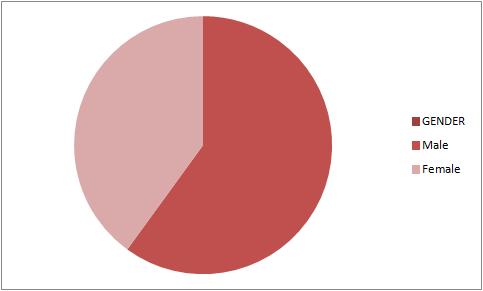
The majority of respondents were male with a minority of female.


The majority of respondents live in the South West which gives us an idea that they are middle class.

Thursday, 8 December 2011

Script draft two

Script Second Draft

Annotated script

Script draft one

Script First Draft

Tuesday, 29 November 2011

The Treatment

This fictional documentary, filmed by a group of students who have been asked by their film studies teacher to film the reactions and grievingness of pupils. This is intended to be shown at his memorial service as a tribute to Ben. The students intend to interview, friends, staff, students and family. It begins with a sudden teenage death of a bright, popular athletic, handsome fellow student who has died in a car crash.
During Charlotte’s interview, it is revealed that Ben has been taking ADHD medication and buying it off a student who has got this condition. We find this out when a text is sent around all the students by an anonymous individual and Charlotte receives it. At first she is confused and then this turns to anger as she realizes he was all fake. He wasn’t who everyone thought he was. Her reaction shows a great deal about who she is and also gives us an insight into why he had taken the drugs as there is so much pressure.
Everyone is very shocked and confused. People want to know why he would take these drugs and what made him do it. So the documentarists decide to take a different approach and investigate the issues Ben was facing in which forced him to take the drugs. While interviewing people they all mention his brother and how naturally talented and great he was and how much Ben looked up to him. While interviewing his best friend, Tom, we find out he knew and that he was very worried about him. He starts to blame himself for the death of Ben and this is when it is revealed that he knew all along.
                Now that everyone knows, the documentary makers feel it a good idea to show the consequences of taking un prescribed drugs. We interview Doctor Trenkil who has a PDHD in medicine.
Ben’s personal tutor talks of how Ben wanted to go and do a sport course at a college nearby instead of studying academics. This was not allowed as his parents and the head teacher thought it best he applied to Oxbridge and study something he wasn’t interested in, like his older brother had done. He had a lot of pressure and this is shown throughout the documentary.
The film makers take the documentary to both the parents and the teachers including the head master and we see the reactions of these people and they can learn from what they did wrong.

Thursday, 24 November 2011

Genre case study 2- Amercan Teen

‘American Teen’ is on the mocu-documentary borderline. Whether it is real or not, we don’t know. Nanette Burstein is the film maker; she followed around 5 teenagers in their final year at high school. There are many very realistic things about the film, but there is a lot that you question. A lot you wonder if it has been set up or not. Was Megan told to vandalise someone’s house? Megan is the popular, bitchy, goody two shoes that has never been sent to the principal’s office before. So why has she now? There is also her best friend, the jock. Who is the good looking, popular guy who all girls fancy yet he falls for Hannah, the rebel who doesn’t care what other people think and doesn’t have many friends. He then breaks up with her over text, something that we as an audience all question as to be a set up. Next you have the nerd, but this stereotype is challenged. In fact all stereotypes are challenged. The nerd has every quality that the stereo typical nerd would have but he isn’t an a* student and he doesn’t sit at home working all day. Hannah rebels because she lives alone with her grandparents because her mother is mentally ill and can’t look after her. Megan finds it hard to connect with emotions as her sister died when she was younger, so she takes out her anger on other people. Colin is the basketball player, who has to do well this season and get a scholarship to college or else he won’t be able to afford it. His father is an Elvis impersonator, at the local restaurant and says he has to join the army if he doesn’t get in to college.
The voiceover throughout the mocu-documentary is done by the characters, but mainly Hannah. This helps the audience feel closer and more emotionally attached to the characters. This is because they can tell you how you feel and it makes it more real. We meet all the characters family and they are filmed in their homes, there bedrooms, in their cars. Everywhere they go the cameras go. We don’t miss one bit out of their final year at high school.
The cameras used are handheld which is an important aspect of a documentary. All the scenes come across to be real yet you question a few of them, this makes you question whether it is a documentary or a mocu-documentary. They used interviews and close up, deep chats with the characters to let the audience understand the stereotypes inner feelings. We never hear or see the documentary maker, it is completely focused on the characters and how they feel, not how they are questioned or talked to.

This is an image of Megan, the princess sitting in her room.


This is an image of Mitch, the jock.


This is an image of Hannah, the rebel.


This is an image of Jake, the school nerd, during band practice.